Jun 17, 2022
Breast milk is the perfect combination of everything a baby needs to survive and develop. Every mom wants her baby to be well fed during the first few months. If your lactation specialist confirms that you are concerned about insufficient breast milk production, he/she may recommend that you use a breast pump to improve your milk supply before switching to infant formula.
The reason for this centers on the law of supply and demand: Regular pumping and emptying of the breast triggers the milk-producing glands to produce more milk. On the other hand, supplementing breast milk with formula results in lower breast milk production due to low demand.
Using a breast pump can help you cope with a low milk supply, or maintain a good milk supply when you are away from your baby and cannot breastfeed.
Here's our take on the 3 breast pumps we recommend to new mothers who are often under-supplied. Here are some helpful tips you should know when your doctor or lactation specialist recommends using a breast pump to increase milk production.

The 3 best breast pumps for low milk production in 2022
Nothing beats the ideal breast pump for all moms. But it's important to choose the right breast pump for your breasts without causing pain!
It should be easy to use and adjust. When you're dealing with a low milk supply, the last thing you need is frustration and confusion with complicated gadgets.
1. Spectral S1 Plus
Our verdict: A mid-priced option with enough strength and plenty of tweaks
If you don't want to spend over $1,000 on a hospital-grade breast pump, but need a powerful pump to tackle low milk production, the recommended model is the Spectra S1 Plus. This is a hospital-grade electric pump that packs a good punch in terms of suction while being hundreds of dollars cheaper than a standard hospital-grade pump.
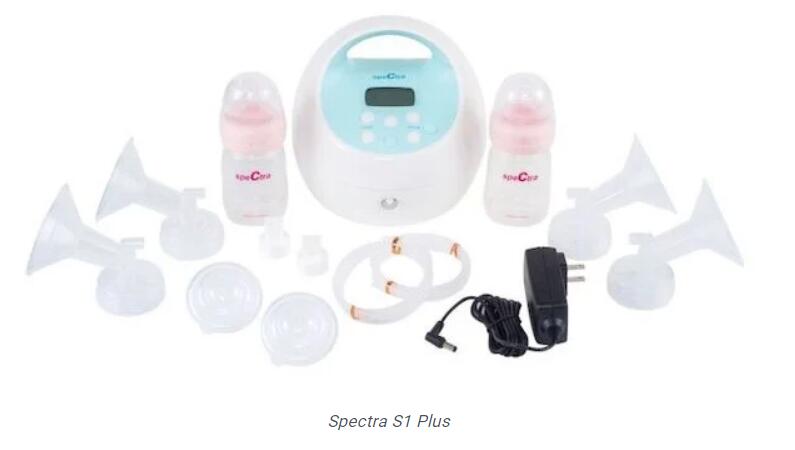
The Spectra S1 Plus has a maximum suction power of 270mmHg, adjustable in +/- 15 intervals. This is as powerful as most typical hospital grade pumps. In addition to its strength, this electric dual pump has fully adjustable circulation. Once you have a good grasp of both settings, you can narrow down to the perfect combination that lets you pump more milk in less time with minimal discomfort.
Starting with the massage phase, the Spectra S1 Plus is designed to mimic baby's initial quick and shallow patterns that trigger the relaxation reflex. Go into pumping mode after spitting up, again simulating the baby switching to deep and slow sucking mode after breast milk is released. A key selling aspect here is the ability to switch between these two stages with the push of a button. Not many electric pumps can do that, although it's crucial for moms struggling to achieve disappointment. So that's a huge advantage of the Spectra pump.
For moms who are often away from their babies for hours, the Spectra S1 Plus offers amazing portability. First, at 3 pounds, this pump is super light. Second, it has a built-in rechargeable battery that lasts at least 3 hours of pumping on a single charge, and 4 hours if needed. The freedom to use it while charging is also invaluable. Finally, this is one of the quietest electric pumps.
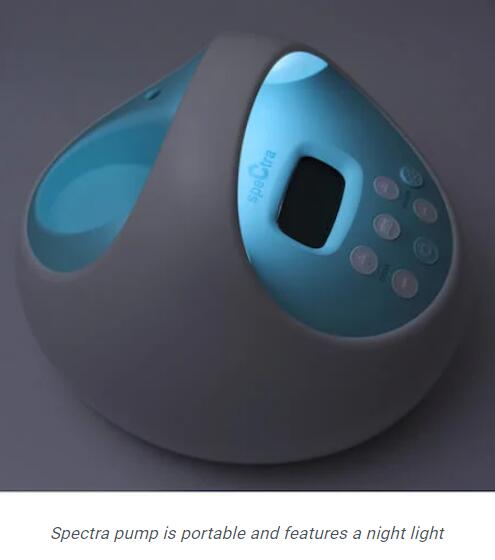
Other features that make the Spectra S1 Plus one of the best electric double breast pumps for low milk production include its closed system to prevent mold growth and contamination in the tube, BPA-free pumping parts and a level 2 night light.
What to remember
Spectra includes 2 sets of flanges in 2 sizes: 24mm and 28mm. They also offer breast shields in 20mm and 32mm sizes, but these are sold separately.
Second, its flange is designed for wide-neck bottles, but you can also buy adapters for narrow-neck bottles.
2. Medela Symphony
Our conclusion: The high-end and best option for establishing lactation and coping with undersupply
Medela Symphony is a hospital grade breast pump. Mostly, the term hospital grade means that the pump can be shared among multiple users (though each mom will need her own pump kit).
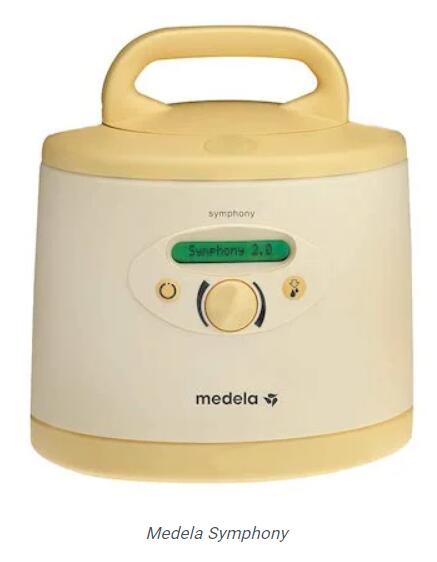
Perhaps the most striking feature of the Medela Symphony is that its overall design and technical features are based on clinical studies. Importantly, this breast pump is designed to help moms who are struggling with a low milk supply and those who have problems establishing and maintaining adequate milk production.
Medela Symphony's suction power is adjustable between 50 and 250 mmHg. The big knob on its face is what you use to play around with the vacuum strength to get to your comfort level. The pump can cycle 40-120 times per minute. Unlike the Spectra S1 Plus above, you can't adjust the Symphony's suction cycle. However, most moms report that pumping speed is one of the pump's biggest strengths, and it's less likely to cause sore nipples or cause blocked milk ducts.
Like most electric breast pumps, the Medela Symphony empties your breasts in two stages: stimulation and expression. After a successful lock, Symphony will automatically switch from the stimulation phase to the expression phase after 2 minutes, while the Spectra S1 Plus requires manual initiation of the next phase. However, you can also jump into expressive mode with a quick relaxation, or switch back to the stimulation phase when needed.
Medela Symphony is best used in one location, for example, in a designated pumping corner of your room. Due to its bulky design and weight, it's not something you'll want to haul to your workplace every morning if you use public transportation. However, it has a very sturdy carrying case if you want to take it with you.
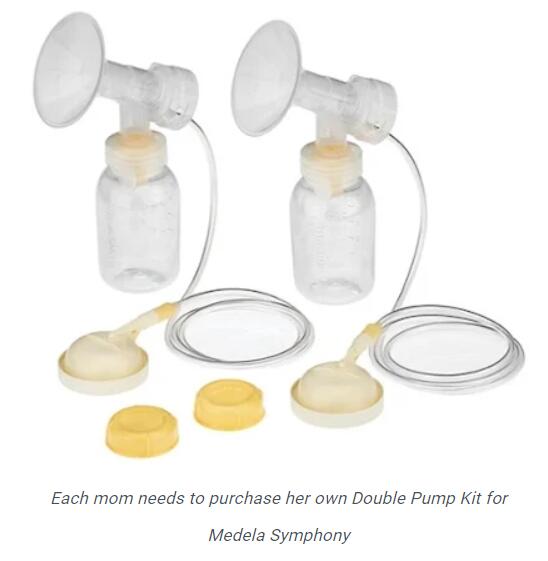
Also, it is worth noting that the device needs to remain inserted while emptying the breast.
Admittedly, the Medela Symphony is expensive compared to other low-end electric twin pumps. However, if you can afford to buy or rent one from a hospital or pharmacy, this is one of the best and often recommended breast pumps for low milk production.
What to remember
This dual electric breast pump is bulky and heavy (7 lbs) for easy portability, which can present a lot of challenges for working moms on the go.
Also, it's worth pointing out that the Medela Symphony (motor) can be shared with other moms, so you can rent it from the hospital without worrying about contamination risks, however, you'll need your own double-pump kit, which is sold separately (about $55 USD - you can buy a pumping kit here).
The kit includes a 24mm breast shield, as well as all necessary tubes, membranes, valves, caps and bottles. If the 24mm size doesn't work for you, you can also buy breast shields separately (about $15). The choice is wide: 21mm, 27mm, 30mm and 36mm.
Cheaper Alternatives to Medela Symphony
This is probably one of the most expensive pumps out there, and usually moms rent it from the hospital instead of buying it. However, if you need a pump for a longer period of time, for example if you plan to do EPing, then renting may not be the best solution (financially).
However, there is a more affordable alternative to the Medela Symphony, which has similar strength, performance and quality at a fraction of the cost: the Medela Sonata. It provides the performance of a hospital pump, but it's smaller, lighter, more portable, and quieter!
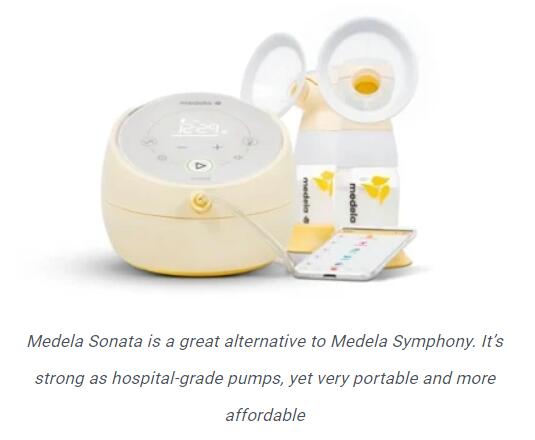
If you need a hospital-strength breast pump, but can't afford a Medela Symphony and renting it just doesn't seem like a good deal, the Medela Sonata might be the way to go.
3. Lansinoh Smartpump 2.0 Dual Electric Breast Pump
Our Verdict: Choices for Moms on a Tight Budget
One last tip for all moms looking for the most affordable breast pump to deal with low milk production. This model is very similar to the breast pump above in terms of operation, but it is more pocket friendly. It also has a few extras that tend to spark the fantasies of most active moms. Let's start with the basics.
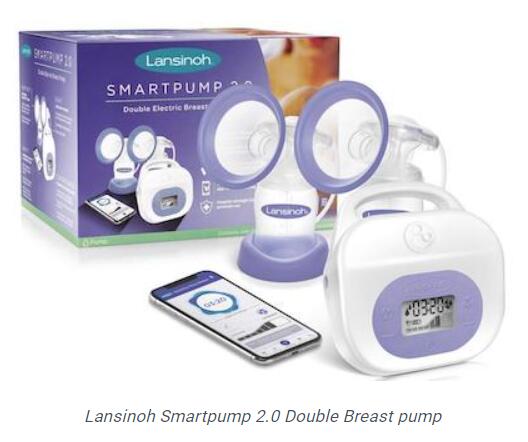
The Lansinoh Smartpump is a dual breast pump, but it can also be used as a single breast pump if you want to pump and pump at the same time. The pump has considerable suction. While I can't compare it to the Medela and Spectra above, most moms report that their breasts feel empty every time they pump with this model.
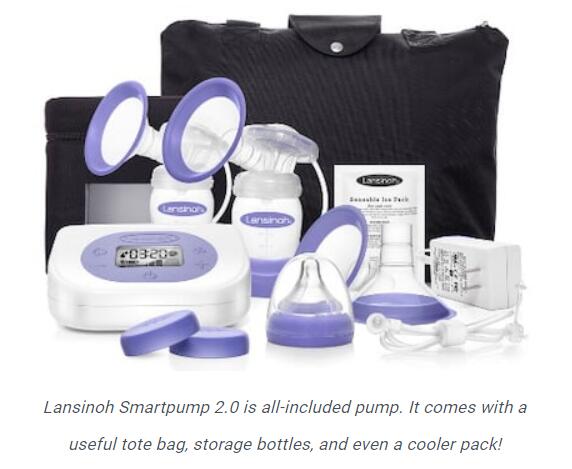
The pack comes with everything you need to start pumping, including 2 pairs of flanges (25mm and 30.5mm) and storage bottle with cap.
For moms planning to return to work, the Smartpump 2.0 does a great job of being portable and easy to use. First and foremost, this is one of Lansinoh's most compact units. It fits comfortably into most work bags, but the best part is that it comes with a carrying bag that holds all the pumping accessories for easy access. Also, you can run this pump by plugging it in or on batteries when there are no outlets nearby.
The Lansinoh Smartpump also uses two-phase technology. Once set, it will start in milk mode to initiate milk release. After 2 minutes, the motor will automatically switch to the expression. A toggle on the control panel lets you switch between the two modes as your body dictates. Once in the pumping phase, this breast pump again allows you to choose between 3 ways of expressing, depending on which is closest to your baby's feeding rhythm. It also has 8 levels of suction adjustment, allowing you to adjust the stage of expression as much as possible.
This pump has a large LCD screen that shows the battery level and how long you've been pumping. While you can control all aspects of this pump from its control panel, there is an option to connect it to a phone app via Bluetooth. With the app, you can record your breastfeeding and bottle feeding, as well as your diaper changing history.
What to remember
Smartpump 2.0 uses 6 non-rechargeable batteries when not plugged in. Having an extra set of batteries at the office or at home will greatly reduce any inconvenience.
What to do if your milk supply is low?
Consult your doctor and/or lactation specialist first
There are a few things you can do if you are experiencing a low milk supply. However, it is best to consult your doctor or lactation specialist before making a self-diagnosis. At times, you may mistake your baby's fussiness or multiple feedings for constant hunger.
If your baby is not getting enough milk, your doctor will do tests to see if you are producing enough milk. He/she will also check that the baby is latching correctly and may recommend any necessary adjustments.
Pro tip: It's always good to learn more about breast milk production to better understand the causes of low milk supplies! I recommend you two online courses by certified lactation specialists: Mastering Your Milk Supply and Maximizing Your Pumping Output. There you can find a wealth of useful information that will help you better understand your breastfeeding period and work towards increasing your supply. You can watch lessons anytime at your own pace!
Try to relax
Anxiety is the number one killer of successful breastfeeding. Anxiety affects milk production by increasing levels of cortisol (the stress hormone). This hormone inhibits the action of oxytocin, which is responsible for lactation.
Doing yoga is a great way to relax while breastfeeding. Another technique is to take a deep breath, hold for a few seconds, and then exhale slowly through the nose. It's important to remember that being a new mom is difficult for every woman. So don't shy away from asking for any help as long as you can use it.
Prolonged skin contact
As you probably know, skin-to-skin contact immediately after birth is critical to the health of both mom and baby. But did you know it can also help with breastfeeding?
Prolonged skin-to-skin contact helps release hormones that lower stress levels for both of you. This contact also develops the baby's instinct and sucking reflex, which helps make a deep, comfortable latch during feedings.
How to use a breast pump to increase your breast milk supply?
All moms have different bodies, needs, and lifestyles, which is why it's so important to take the time to choose the right breast pump. Especially when it's supposed to help you increase milk production.
However, there are some ground rules, usually recommended by lactation consultants.

1. Start with the right pump and pumping equipment
Whichever model you choose, make sure you get the right pair of breast shields. A model with customizable suction and speed is also crucial. These two factors go a long way toward preventing pain, and are actually the number one reason why most moms fail to express successfully.
By the way, remember to check the condition of the pump regularly to avoid any milk leaks and potential contamination. Read the manual and learn how to properly clean the entire unit, replacing parts when needed.
2. Increase pumping times
During breastfeeding, your body keeps your breasts full in preparation for the next breastfeed. So, as soon as you empty your breasts, your milk ducts start supplying fresh milk almost immediately. This is a supply and demand situation where the body increases milk production to meet demand.
If you're a work-at-home mom, you can increase your breast milk supply by adding an extra pump or two to your baby's feeding pattern. For example, if she feeds 6 times a day, add a pump or two in between. These extra sessions may make it look like you're pumping, but it's a surefire way to trick your body that the baby needs more breast milk.
It's important to remember to do these extra pumping activities around the same time to allow your body to adjust and establish a routine.
Also, if you're not pumping exclusively, but just want to keep your supply away from your baby - try pumping at the same time you normally breastfeed.
3. Cluster pumping and power pumping
These two techniques are sometimes recommended for improving the milk supply of new mothers.
Cluster pumping involves more frequent pumping, only this is done in short clusters. Cluster puffs are puffs for 5-15 minutes, rest for 5-10 minutes, puff again, then rest, and so on, for one or more hours.
Power pumping is very similar: first pump as usual, then rest for 10 minutes, then pump again for 10 minutes, then continue this on-off cycle for 60 minutes. A lactation specialist may recommend that you do it once a day for several days in a row.
Cluster and kinetic pumping techniques are used to mimic feeding in infants during growth spurts. These stressful growing periods require a lot of energy, so babies want regular feedings. The body responds to this increased demand by producing more milk.
Likewise, "mimic" your baby's bunch feeding, tricking the body into increasing milk production through a series of powered pumping.
4. Use a double breast pump
Have you ever wondered why the opposite breast leaks when breastfeeding? Well, one theory links this to increased close contact between babies and their mothers. This theory suggests that pumping both breasts at the same time doubles the contact, which increases stimulation. It's worth noting that most studies show that double pumping usually results in slightly higher milk production than pumping one breast at a time.
Collecting milk from other breasts while breastfeeding
Using a breast milk collector is a great way to collect a few ounces of extra breast milk from the opposite breast while your baby is breastfeeding. By the way, if you're breastfeeding and pumping, make sure your baby is feeding from both breasts to keep the breast milk supply at the correct level in both breasts.
5. Pump after breastfeeding
Expressing immediately after breastfeeding is another natural way to increase your breast milk supply. If your baby tends to prefer one breast when breastfeeding, you will realize that that breast tends to produce more milk than the other.
Pumping your breasts after breastfeeding helps the least popular side to keep up. But the best part is that it stimulates the body to keep making and producing more milk for a longer period of time, even after the baby is full. You may not drink a lot of milk at first, but your body will be signaled to gradually increase milk production.
6. Milking in the morning
Moms often drink more milk in the morning. This is because the supply of breast milk is largely regulated by hormones as well as your circadian rhythm. To take advantage of this, try pumping in the morning, either before your baby wakes up, or as I mentioned above, shortly after breastfeeding.
7. Eat healthy
Maintaining a proper diet, eating enough calories and staying hydrated is crucial! Whether you're pumping or just breastfeeding, remember to add some extra calories to your diet! Choose the right type of calories to provide your body (and your milk) with essential nutrients and minerals.
I have found advice on lactation cookies and herbal supplements on many websites. Beware! Research on these things has found inconsistent data - doctors aren't sure if supplements and herbs actually help milk supply!
8. Take an online course with a certified lactation specialist
Learn more about breast milk supply and how to increase it in an online course created by a certified lactation specialist. You can watch the class anytime without even taking off your pajamas! I recommend you these courses on increasing your milk supply with Milkology.
9. Stop comparing yourself to other moms
All women have different bodies. Even if two women have the same breast size, their milk storage cells may be different. Some people express milk faster, and some people need more time to express a certain amount of milk. Also, if you're only pumping occasionally, rather than just pumping, expressing more milk may be a little more difficult and may take longer.
If you're concerned about your breast milk supply, or you're not sure if your pump is getting enough breast milk, you should seek medical advice rather than comparing with other moms.
Also, keep in mind that if your doctor confirms that you are breastfeeding and breastfeeding well, you will not be producing more breast milk than your baby actually needs. During this time, it may take multiple pumpings to express enough milk for one feeding, and even more time to store in the refrigerator.
Learn about the production and supply of breast milk
When a baby stimulates the nipple during feeding, a signal is sent from the nipple to the pituitary gland in the brain. Therefore, the hormones prolactin and oxytocin are released into the blood.
Oxytocin is responsible for contracting the alveoli (the small sacs that produce and store milk) and release the milk that has been stored in the breast. This is called a descent.
Prolactin, on the other hand, stimulates the alveoli to start making more milk. During the first few minutes of feeding, prolactin levels decreased significantly. However, 10-15 minutes after breastfeeding, the body increases the level of this hormone in the blood, which leads to an increase in milk production. The essence of this is to ensure that there is enough milk for the next feeding.
It's worth noting that milk production is based on supply and demand: the more a baby eats, the more milk is produced. If demand falls, milk production will also fall. This is why if the baby is not emptying the breast, regular and efficient pumping is necessary to maintain the milk supply.
Why is my milk supply low?
Keep in mind that the causes of insufficient breast milk supply vary and it is essential to consult a certified counselor/physician to find the appropriate strategies to deal with it.
Common causes of insufficient breast milk supply include:
- Insufficient glandular tissue
- Hormonal/endocrine problems (eg PCOS)
- taking birth control pills
- Latch up issues (some may be caused by anatomical issues)
- don't feed at night
- Feed on time, not on demand
- Supplementing with formula during the first few weeks
- taking certain medicines (such as those containing pseudoephedrine) or herbal remedies
- Medications used during childbirth
- past breast surgery
- other medical reasons
- Hormonal/endocrine problems (eg PCOS)
- taking birth control pills
- Latch up issues (some may be caused by anatomical issues)
- don't feed at night
- Feed on time, not on demand
- Supplementing with formula during the first few weeks
- taking certain medicines (such as those containing pseudoephedrine) or herbal remedies
- Medications used during childbirth
- past breast surgery
- other medical reasons
How much milk does the baby take with each feeding?
The amount of milk your baby gets will vary according to his/her age.
In weeks 2 and 3, your baby's stomach can hold up to 5 ounces of milk at a time and up to 25 ounces per day. By week 5, daily milk intake will increase to 35 ounces.
From 1 month to 6 months, your baby's growth rate will slow down slightly. Therefore, he/she will need almost the same amount of milk during this period. This is normal because the composition and calories of the milk have changed and it has become richer.
Milk supply is also expected to remain consistent as demand is nearly constant.
Babies aren't getting enough milk - what to watch out for
The fear of not getting enough milk often accompanies the idea that the baby is not getting enough breast milk. As a general rule, if your baby is feeding 8-12 times every 24 hours, and he/she seems happy after each feeding, then they are likely full. Gradual weight gain is another important sign that your child is feeding well.
On the other hand, here are some signs that your baby may not be getting enough breast milk:
- Infants showing signs of low energy or too much sleep
- Bad latch or latch pain
- Failure to regain birth weight within 10-14 days of birth
- dark urine and a small amount of soiled diapers
- Bad latch or latch pain
- Failure to regain birth weight within 10-14 days of birth
- dark urine and a small amount of soiled diapers
In general, if you're concerned that your baby isn't getting enough milk or that you're not getting enough milk and/or don't know if you should use a breast pump to stimulate milk production, talk to your doctor or lactation specialist.
KingSen Baby, China's leading professional manufacturer and exporter of mother and baby products. Our main products are electric breast pump, baby formula dispenser, bottle warmers and sterilizers, baby monitors and baby hair clippers, etc. We have a professional R&D and production team with advanced technology, exquisite design and high quality.The focus on quality and safety has led us to gain repeat orders from customers in Europe, America, Middle East, Southeast Asia and more. Passes all key consumer safety standards including GS and EN.
More details: https://www.kingsenbaby.com/