How to use baby nasal aspirator?
No matter what your age, a stuffy nose can be uncomfortable. It makes breathing difficult, often forcing you to breathe through your mouth, which in turn can lead to a sore throat and make daily activities such as eating and sleeping more difficult.
Children and adults can overcome nasal congestion with relative ease. But for infants, it's a different story. Like many other behaviors that require voluntary effort, they are at the mercy of their parents or caregivers. This inevitably leads to discomfort and distress for infants, especially when their sleep and feeding cycles are disrupted.

But fortunately, there are many ways you can help - and one in particular that needs to be understood: the nasal aspirator. Found in pediatric clinics across the country - and now, increasingly available - nasal aspirators allow you to clear your baby's nose simply, hygienically, and effectively.
Why does your baby have a stuffy nose?
Most nasal congestion occurs when our noses try to expel bacteria, dirt, dust, smoke or other irritants. To do this, the nose produces mucus, which collects all this debris and leaks out of the nostrils. Sometimes, the blood vessels in the nose may also swell, which can lead to further obstruction of the airway.
Dry air is known to cause blockage in the nose and when the air dries out the inner layers of the nostrils, the skin can break down and cause swelling. Dry air usually occurs in winter when central heating is more likely to be on, or in buildings with air conditioning.
What is nasal aspirator?
A nasal aspirator is a small suction device specifically designed to physically remove any mucus that has built up in a baby's nose. This clears the airways and helps them breathe more easily. The removed mucus is usually collected in a separate chamber for safe and hygienic disposal.
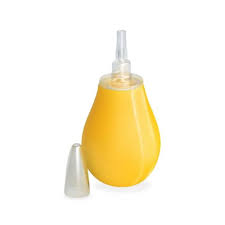
While there are a range of nasal aspirators on the market, the core design principle behind each is usually the same: a hollow squeezable bulb attached to the tube creates a vacuum. When the tube is placed in the nostril, it sucks out the mucus and stores it in a separate container.
How to use the nasal aspirator
To use the suction to clean your baby's nose, you will need the following items: nasal aspirator device (widely used), saline or nasal drops, tissue, and a blanket.
Step 1 - Prepare saline solution. You can buy special drops from the pharmacy or supermarket, or you can make your own at home: simply mix a quarter of a teaspoon of salt into a glass of warm water. (Make sure never to use the same solution twice - make a new one each time.)
Step 2- Carefully place your baby on a blanket to keep them comfortable, then use a straw to squirt three drops of the salt solution into both of their nostrils. This will help soften and break up the mucus, making it easier to extract.
Step 3- Gently squeeze the aspirator to expel all the air from the bulb and create a vacuum. Keeping the bulb compressed, gently place the tip of the aspirator into the nostrils. Be careful not to probe too far into the nostril to avoid any injury.
Step 4 - Release the bulb. You will hear more than just seeing the aspirator extract mucus from the baby's nostrils. This can be unsettling for the child as the process can feel very strange and uncomfortable.
Step 5 - Squeeze the mucus out onto a tissue (although some aspirators will collect it in a separate chamber - read the instructions) and repeat the process on the other nostril. Be sure to clear the aspirator before attempting to aspirate more mucus.
You may need to do this several times in each nostril to completely remove it. When you are finished, wipe your baby's nose with a clean paper towel to remove excess mucus and prevent dryness and skin irritation.
You should aspirate your baby's nostrils no more than four times a day to prevent damage to the lining of their nostrils. Use the aspirator before feeding, otherwise it may cause them to vomit.
To clean the nasal aspirator after use, mix some warm soapy water. Fill the aspirator with some of this and shake the water to clean out any mucus still inside, then squeeze the water out again. Repeat several times and then again with clean, cold water to remove any soap residue. Be sure to clean the aspirator after use.
Different types of nasal aspirators
All nasal aspirators use suction to remove mucus. However, some designs are better than others. The following are things to keep in mind.
Bulb nasal aspirators
The one described in the "How to operate" section is called a spherical nasal aspirator. It is the most widely used and easy to find - both in hospitals and clinics, and in stores and online - and its simple design makes it particularly cost-effective. However, that doesn't mean they're perfect. The biggest problem is that it's hard to reach inside. That means you can't see how clean it is after use - and if there's mucus inside, it can harbor bacteria. The design also makes it difficult to dry. As a result, the interior is likely to get dirty after a while, even with repeated washing.
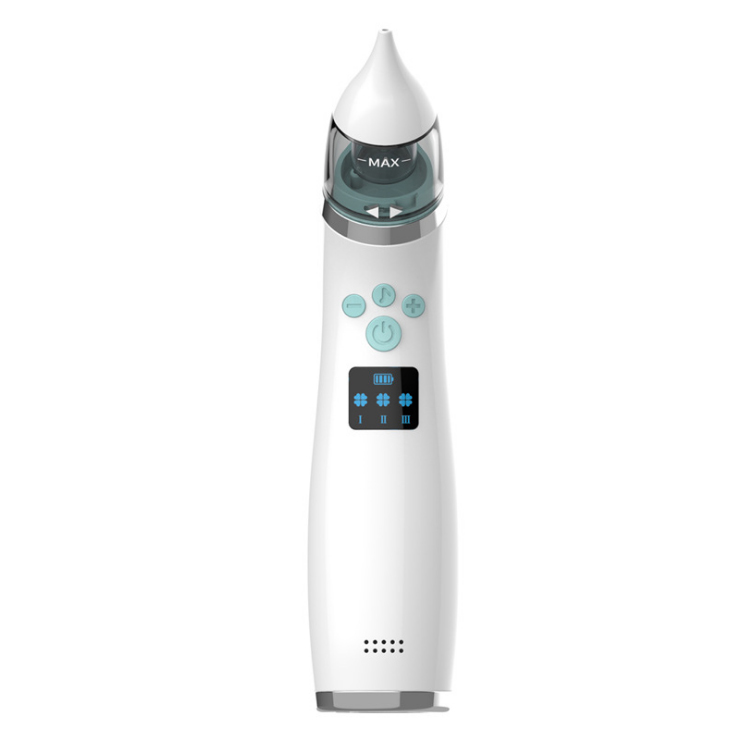
As the name implies, they are powered by electricity and offer a more powerful way of suction than manual models. Many are also dishwasher safe and have many handy features such as clear storage so you can see how much mucus has been extracted. Parents tend to prefer these over other models due to the ease of use and many useful features.
However, these are more expensive than manual aspirators. Another problem is that mucus may accumulate in areas of the device that are difficult to clean, which may lead to bacterial contamination. Results may also be inconsistent with some models, depending on the battery level and charge.
Human suction devices
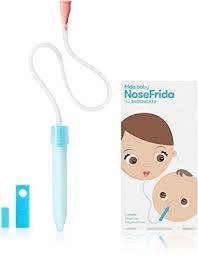
These work by placing a suction nozzle and filter at the end of the tube so that parents can manually aspirate the mucus out. The simplicity of the design makes this suction apparatus cost effective and easy to clean. In addition, parents have better control over the suction power. The filter and mouth guard prevent any mucus from being accidentally drawn into the tube, but it should still be cleaned thoroughly after use.
Is the nasal aspirator safe?
Used correctly, nasal aspirators are very safe to use. A testament to their usefulness is that every hospital has one on standby. However, they need to be used correctly to achieve the desired results.
Whichever type you decide to choose from us, please remember to read the instructions carefully. These will outline all precautions - for example, you should limit the use of your aspirator to a maximum of four sessions per day, and each session should be evenly spaced to allow sufficient recovery time between them. If you exceed this value, you may dry out and irritate your nostrils, which can make the problem worse and even lead to nosebleeds. For the same reason, it is important not to overuse saline solutions.
Otherwise, if used correctly and responsibly, a nasal aspirator is an excellent tool for clearing nasal congestion in infants.