How to avoid the side effects of breast pumps?
Breast pumps have made life easier for moms around the world. The convenience of pumping out breast milk and storing it for later use allows new mothers to return to work sooner, while still being able to provide breast milk for their babies. However, there are some side effects to using a breast pump that many moms are not aware of. This article explains the side effects of using a breast pump.
Types of pumps
Manual: These pumps are operated manually to produce suction. While you should be able to get a comparable amount of milk as using an electric pump, it is more time consuming and labor intensive. However, they do not require a power source, which makes them more portable.
Single electric: These pumps are powered by an electric motor, which can be either electric or battery-powered, and suck one breast at a time.
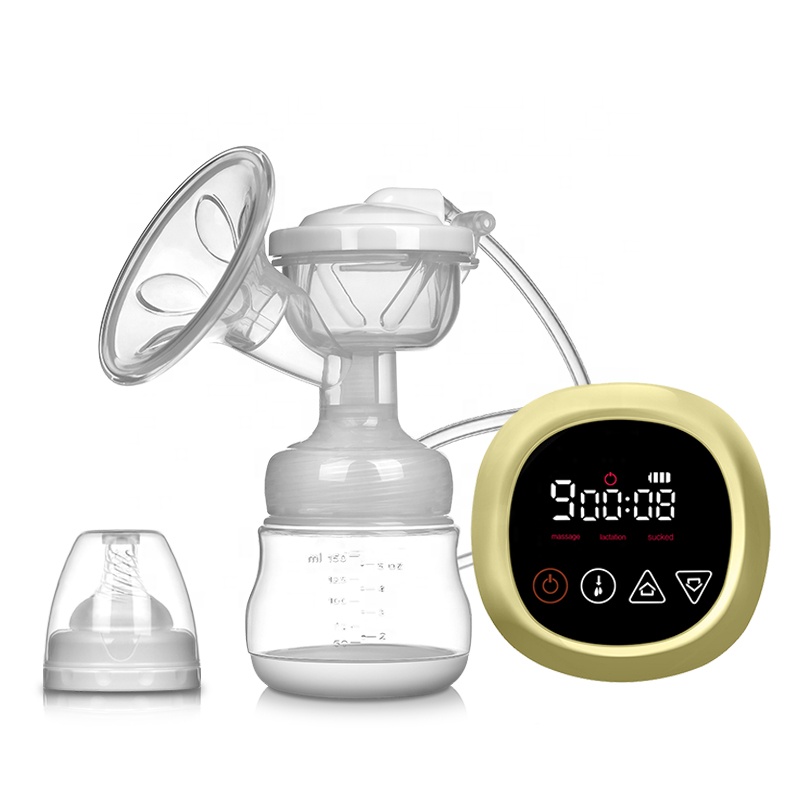
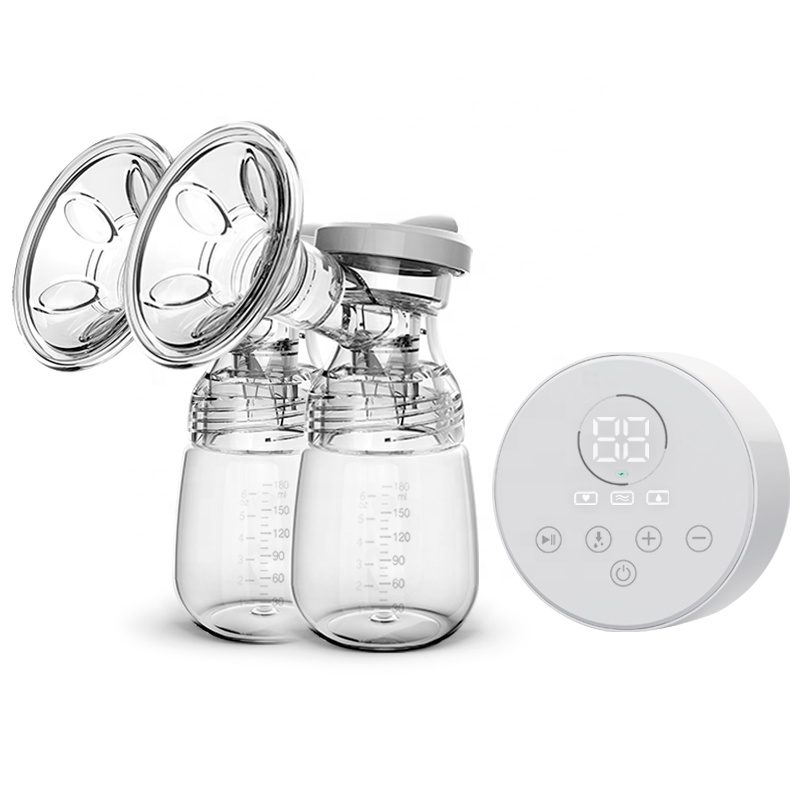
Dual electric: Also powered by a motor, they can suck on both breasts at the same time, reducing pumping time.
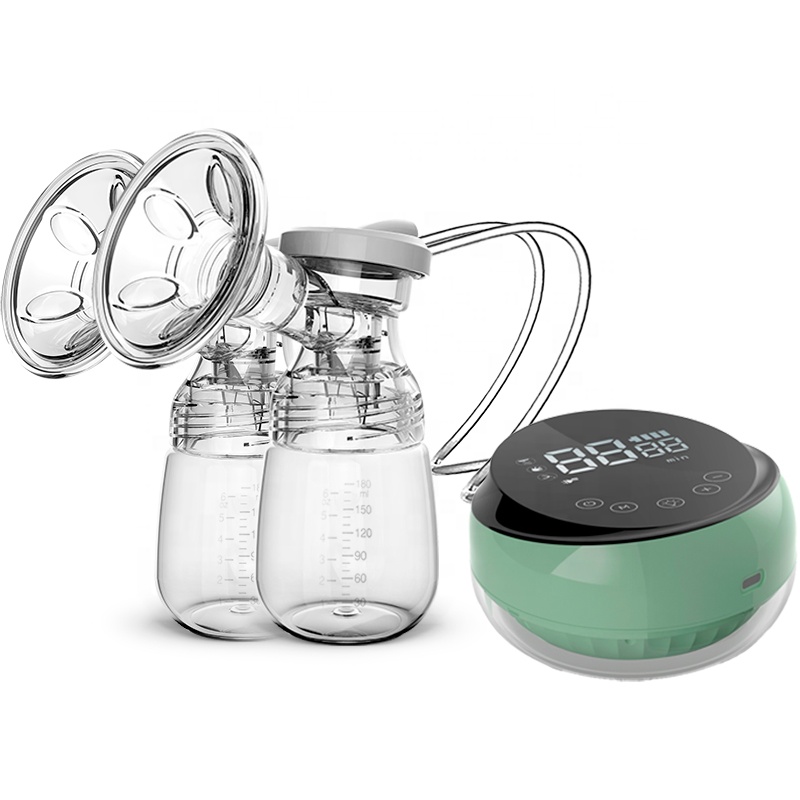
Hospital grade: The real term for this type of pump is "multi-user". They are most often used by hospitals for mothers whose babies are in the neonatal intensive care unit (NICU). These pumps usually have larger motors and more efficient pumps. Each mother has her own tubing and fittings, and multiple women can safely use these pumps if they are used and maintained properly.
Benefits of breast pumps
Breast pumps have many benefits for both mother and baby. They are also a great option for mothers who are unable to breastfeed for various reasons to still give their little one breast milk and avoid switching to formula. Here are some of the benefits of breast pumping
- Control the timing of feeds
The mother or caregiver can set a feeding schedule for the baby and have better control over the timing of feedings. This allows for a more structured pumping and feeding schedule and frees up some of the mother's time.
- Relief for working or busy moms
Mothers who work can pump before they leave and caregivers can feed their babies during the day. Breast pumps also give moms some free time to run errands, meet friends or pamper themselves.
- Helps increase breast milk supply
Suckling after breastfeeding helps to increase milk supply. Or, having some milk on hand can help mothers with low milk supply to feed their children.
- Work around medical conditions
If you or your baby has any medical conditions that prevent breastfeeding, pumping and bottle-feeding can be a big help.
What are the side effects of breastfeeding pumps?
Although breast pumps make it easy for moms to feed their babies even when they are not around, there are certain side effects and drawbacks to using a breast pump that new moms should be aware of. The following are some of the side effects of using a breast pump.
- It can reduce milk supply
One of the side effects of continuous breast pumping is a reduction in the milk supply. The mechanism of a breast pump is very different from that of a newborn holding the nipple and sucking. Breastfeeding stimulates more milk production in your body. If the baby is not allowed to latch on, milk production will be reduced. 2.
- Refrigeration depletes breast milk of its nutrients
When infants are fed directly from their mothers, they receive all the nutrients they need for healthy growth. Freezing, thawing and reheating breast milk for more than three months can result in the depletion of vital nutrients in breast milk.
- Breast pumps can cause nipple and breast tissue damage
Breast pumps can damage nipples and breast tissue. Wrong settings may cause unbearable pain while pumping. Manual breast pumping can cause pain to both the breast and the mother's hands because manual pumping is both laborious and tiring.
- It can lead to painful engorgement and excessive disappointment
One of the side effects of an electric breast pump is that mothers suck so much milk that they can store a large amount for later use. This causes the body to release too many hormones, which makes the breasts swell and fill up with too much milk. This is called engorgement and can be very painful for the mother. 5.
- Repeated cycles of bottle cleaning and sterilization
One of the disadvantages of using a breast pump is that all the parts of the pump, bottles and teats need to be thoroughly cleaned and sterilized before and after each use. Another problem is that when moms are out and about, they may not be able to find a private place to pump. They may also not be able to find a place to safely store the pumped breast milk.
- It delays the mother's recovery after giving birth
When a mother breastfeeds her baby directly, oxytocin hormone is released into her body. Oxytocin causes contractions of the uterus, which reduces postpartum bleeding. Breastfeeding also helps the uterus return to normal size more quickly. Studies have shown that the uterus of breastfeeding mothers returns to normal size 6 weeks after delivery, while it takes 10 weeks to return to normal size in non-breastfeeding mothers.

How to avoid the side effects of using a breast pump
Here are some tips you can follow to avoid some of the side effects of using a breast pump.
- Consult your doctor
Before using a breast pump, consult your doctor. Listen to your doctor's advice about breastfeeding. She can guide you on how best to maintain adequate levels of breast milk supply while using a breast pump.
- Breastfeeding your child
Breastfeed your child directly for at least the first six months. Feed your child directly whenever possible. Holding your baby and feeding her directly will increase the oxytocin hormone in your body. This hormone is responsible for the oxytocic effect that causes milk to be released from the body. The higher the level of oxytocin in your body, the stronger the effect of oxytocin will be.
- Replace the old pump
Breast pumps should be replaced every eight to ten months to ensure that babies receive uncontaminated and nutrient-rich breast milk. Old breast pumps may become moldy at the valves or inaccessible bends that cannot be thoroughly cleaned. This can contaminate the breast milk and make the baby sick. Old pumps may also not be as effective as new pumps. Over time, the pumping mechanism may become inefficient, resulting in less breast milk production.
- Use an automatic pump
Use an electric or automatic breast pump instead of a manual breast pump. Continuous use of a manual pump can lead to an inadequate supply of breast milk. As a result, your baby will not receive enough breast milk. A manual breast pump will also strain your hands as you will have to mechanically suck out the milk by hand.
Do I have to clean my breast pump after each use?
It is important for your health and that of your baby to clean your breast pump properly. But when you are at work or traveling, this can be difficult.
The most common tip we give women is to put the pump kit in with the milk if you have room to store it in the refrigerator while you are at work. That way, you don't have to wash it between each use. Take it home at night and wash it there. Doing so will save you a lot of time during the workday.
Your pump kit doesn't need fancy cleaning supplies. Soap and water is all you need. You can even put it in the dishwasher. If your dishwasher has a sanitizing cycle, that's even better. You can also buy microwaveable bags that sanitize the pump. Many of these bags can be reused a certain number of times. Be sure to follow the instructions.
When purchasing products for storing breast milk, buy products designed for breast milk and not formula. Some formula storage bags do not have good seams, so you may lose it when you freeze and thaw the milk. You've never cried over spilled milk before you spilled your breast milk!