Electric breast pump vs. wearable breast pump?
Many new moms go to great lengths to prepare themselves and their babies when they learn they are expecting a baby. If I were to recommend one of the must-haves for new moms, I think I would recommend a breast pump. If you want to breastfeed, then a breast pump is a must.
The actual fact is that you can find a lot of people who are not able to get a good deal on their own, and that is why you need to choose a suitable breast pump, and for those who are taking care of multiple babies or working moms, choosing a suitable breast pump can make it easy for moms to take care of their babies and for working moms not to affect their normal work.

The advantage of an electric breast pump is that it is easy, not tiring, can be plugged in, can also be installed batteries, and even if you take away the electric pump, you can also use it as a manual breast pump, no matter what the situation will not delay the "breast pumping", and the sound is relatively quiet, will not affect the surrounding people at all.
Electric breast pumps are powerful, fast and easy to use, driven entirely by an electric pump that mimics the rhythm of a baby's sucking. Many electric breast pumps come with two electric pumps. This is great if the mother is a frequent breastpumping mother, as both breasts suckle at the same time, which not only reduces the time it takes to express milk by half, but also stimulates the mother's lactation hormone production and promotes milk production.
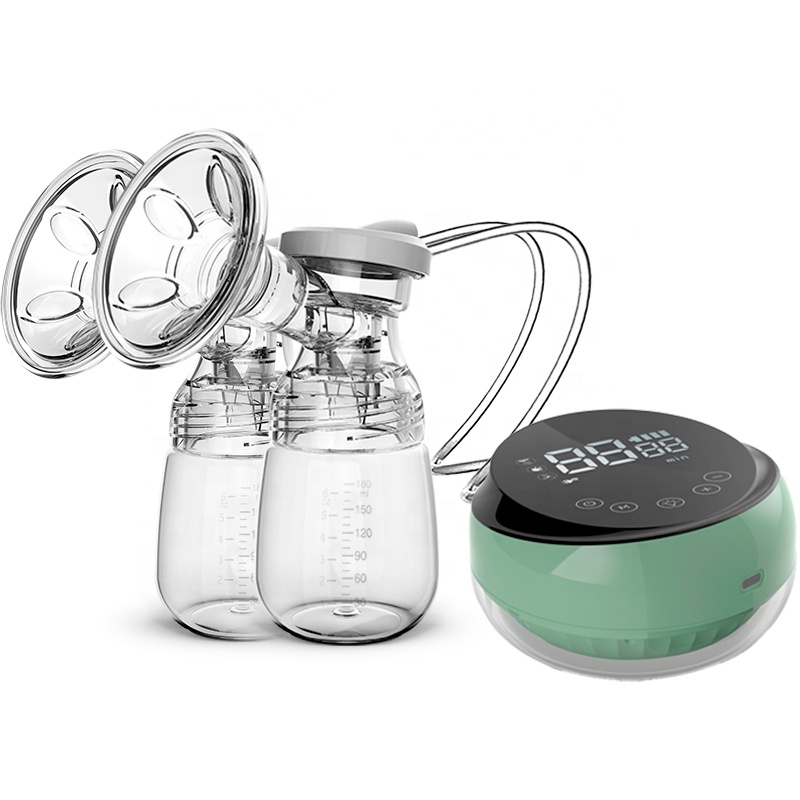
Advantages:
- Free your hands, so that the mother's hands are free, save your heart and energy.
- The size of the suction force can be adjusted. The suction force is sufficient, the maximum gear suction force is dozens of times the manual breast pump, of course, can also be adjusted to a low gear, suction force can be lower than the manual breast pump.
- Small size, very convenient to carry, very suitable for the work of the baby mother "secretly" to complete the process of sucking milk.
- Even suction, the whole process of sucking milk is like a baby sucking milk. There is no high and low image.
- Easy to clean, the moving parts are fully sealed, so you only need to clean the parts in contact with the milk when cleaning.
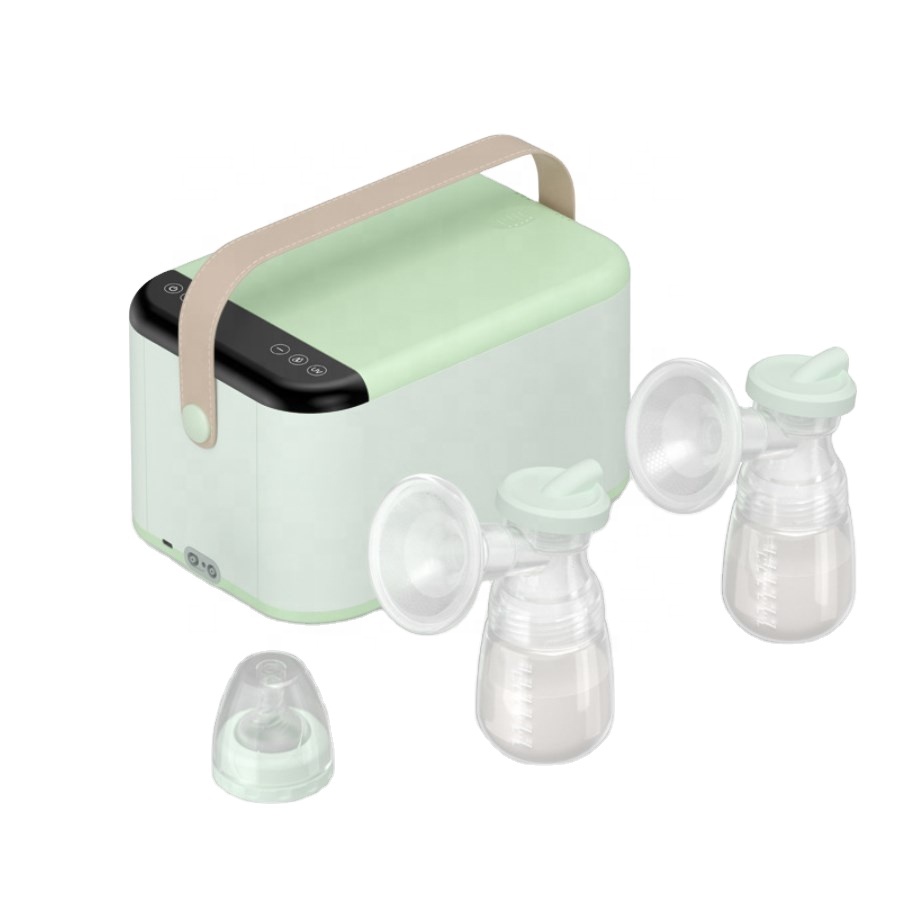
How to use the electric breast pump?
- Place a hood over one breast, align the nipple directly with the nipple and put the nipple right in the middle of the hole, make sure to use a hood that fits your nipple size.
- Hold the hood securely over your breast so that it fits snugly against your skin. Now hold the bottle with this hand and turn on the machine with your other hand, simulating the way your baby sucks milk.
- Start with a fast and shallow suction to stimulate your lactation reflex, now that one side is already sucking, you can suck the other side, when you see the milk start to flow out, you can turn down the speed and turn up the suction amount, if your milk doesn't flow out, you can massage and squeeze your breast, if that doesn't work, try some sensory stimulation so that the milk can be squeezed out smoothly.
They offer breastfeeding parents more freedom than traditional breast pumps because they are self-contained and worn inside a bra, and the milk is collected in a reservoir.
There are three main brands of wearable breast pumps: Elvie, Willow and Freemie Liberty, although Freemie has a cord that connects it to the breast pump, so it's not completely wireless.
Several other brands, including BabyBuddha, Spectra 9 Plus and Ameda Mya Joy, make portable breast pumps, which means you can walk around while you pump, but the pump itself doesn't fit in your bra.
Advantages:
- More mobility
The ability to walk around and do things freely while pumping is the number one reason wearable breast pumps are so popular. But your mobility depends on the pump you choose. With Willow, you can choose to pump into their proprietary spill-proof pouch, which means you can pump while doing anything from sleeping to doing yoga to running a marathon.
Elvie and Freemie, on the other hand, are designed to pump milk into containers that could spill if you do too much movement, so they're great for driving and walking around, but not doing anything too crazy.
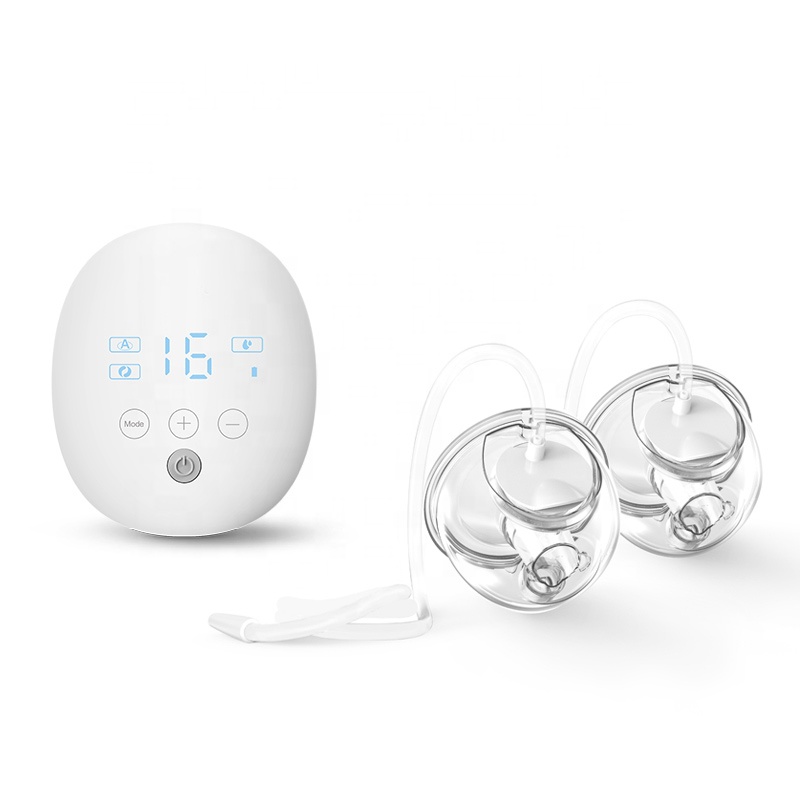
- Caution
With most breast pumps, even if you're able to check your email while wearing a hands-free breast pumping bra, you still have to pump in private because your bra has flanges attached to the bottle. But with wearable breast pumps, you can wear them inside your bra, under your shirt, so you can wear them while shopping, driving, or working in the office.
- Quiet
Both Elvie and Willow shallow shoes are among the quietest on the market, so again, you can wear them under your shirt and most people won't even know you're pumping. elvie claims their pump eliminates any noise, while Willow claims it's "quiet".
- Easy to clean
Elvie and Willow have very few parts, so they are very easy to clean. elvie has only five parts (valve, nozzle, bottle, seal and suction hood), while Willow has only two (flange and tube to connect the pump), and both companies say you can clean these parts by hand or put them on the top rack of the dishwasher.
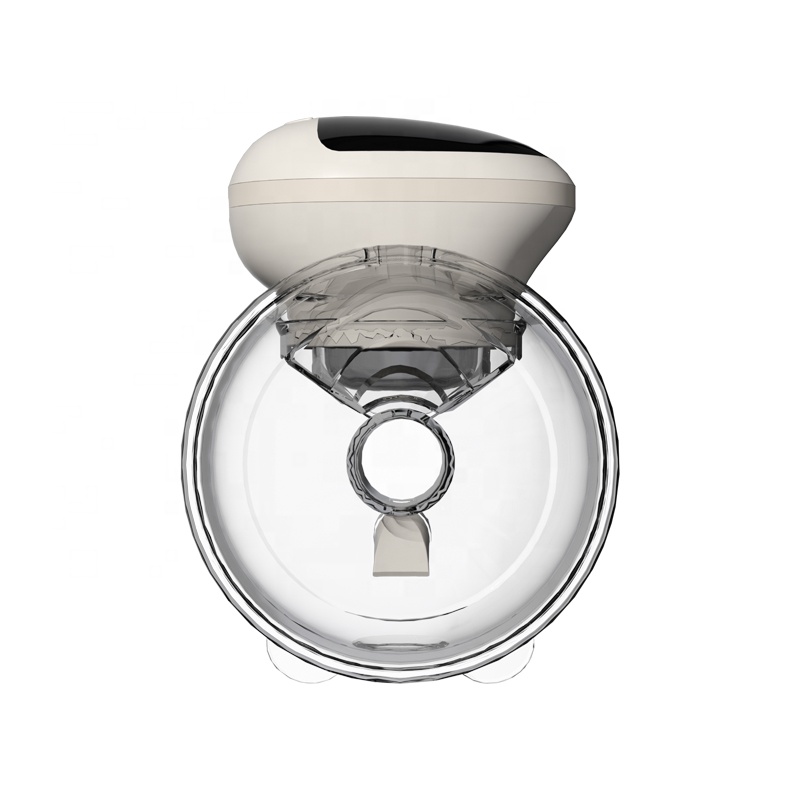
- Smart technology
Both Elvie and Willow have apps for iPhone and Android that let you do things like adjust suction levels, toggle between stimulation and expression modes, monitor how long you're pumping, and track your milk production each day, right on your phone. How cool is that?
Some things to know about using a breast pump
- Use
When using a breast pump, apply a small amount of vegetable oil or suet to the inside of the pump horn cover to reduce friction during the pumping process.
This will help your body to respond at a fixed time, so that the milk will be produced more naturally and the milk volume will be more adequate.
You should store your breast milk in a bottle with a cap or in a sealed bag, preferably with a label with the date on it, and keep it in the refrigerator and freezer.
- Cleaning
Each time you use your breast pump, you should carefully clean the components of the breast pump, preferably separating all components, such as the valves, catheter connectors, storage bottles, etc. You can use boiling or steam sterilization.
Nowadays, many breast pump components can be cleaned in the dishwasher, so if you have a dishwasher at home, you can save a lot of time. It is also important to note that the breast pump needs to be thoroughly air dried after each cleaning to prevent the growth of mold and mildew. Of course, if you are afraid of trouble, a multifunctional milk warmer will solve the problem, disinfecting, drying and warming milk together.
Overall, the choice of breast pump depends on the frequency and time of use of the breast pump. If the mother does not have enough free time, or if she is busy at work and needs to take time out of her busy schedule to pump, then she can choose a wearable breast pump to save time and improve efficiency. If the mother only needs to suck occasionally, just in case, then you can choose a comfortable electric breast pump.